CALEB COFFEY
Caleb Coffey writes like a filmmaker. He sees the scene first—the light, the place, the movement, the person standing there—and somewhere inside it, the character begins to reveal himself. His stories take people into places they probably shouldn't be: a boxing gym, a Brooklyn bar, the neon streets of Tokyo, the lawless American West, or the supernatural seas of the eighteenth century. He writes screenplays, short stories, and illustrated ebooks across crime, adventure, horror, dark comedy, and the supernatural. Genre is rarely the point. People are. Greed, fear, love, violence, bad luck—these are the forces that push his characters into unfamiliar territory. Sometimes there is redemption. Sometimes disaster. And sometimes giant crabs that snap men's heads off with a sound their witnesses never forget.
Shadow Box
A gifted young Mexican-American teenager flees an abusive home in 1980s Los Angeles and finds refuge in a struggling neighborhood boxing gym. Raised by the fighters who become his family, he rises toward championship glory—until addiction, fame, and his own inner demons threaten to destroy everything he loves. To reclaim his life, he must win the hardest fight of all: the one inside himself.
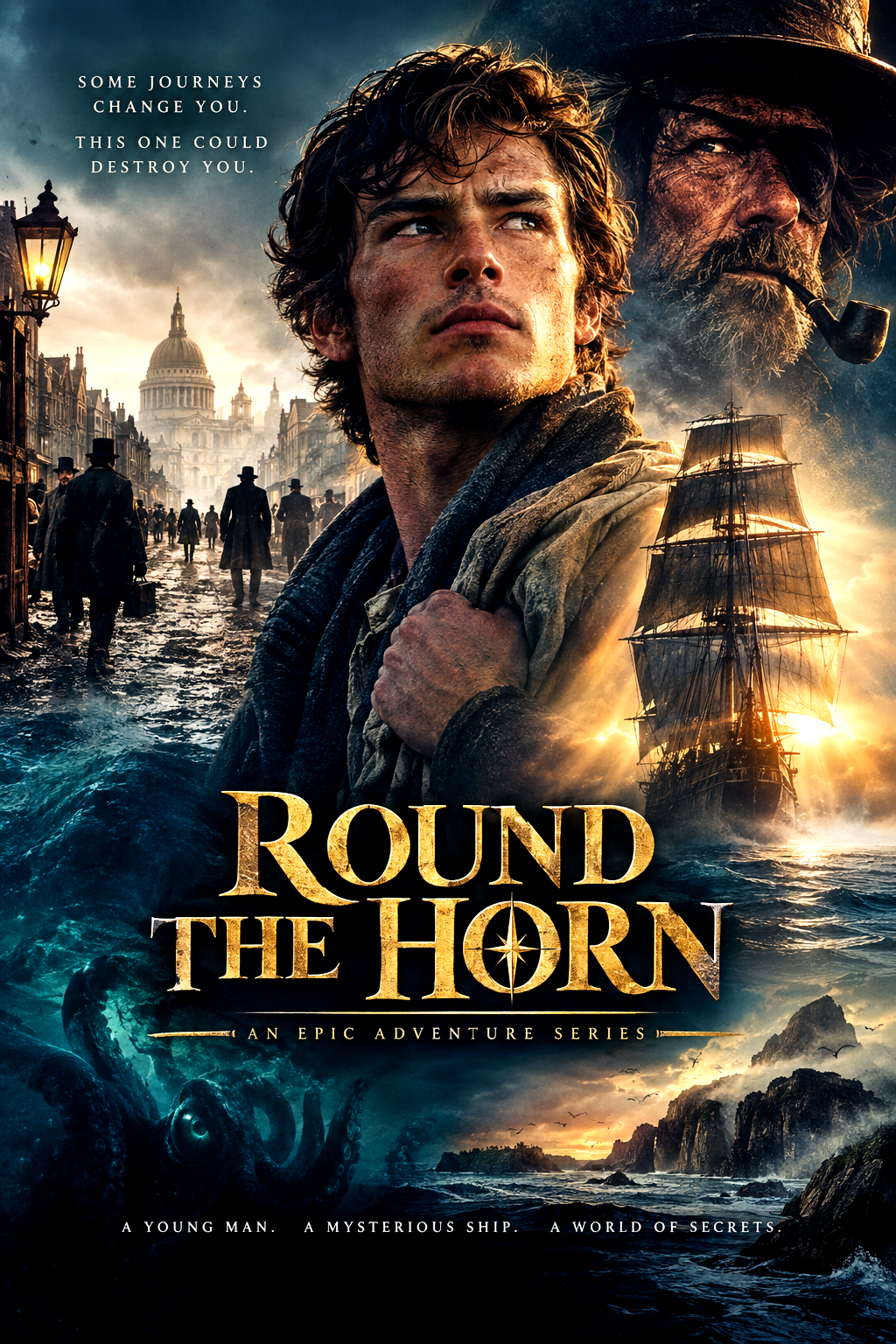
ROUND THE HORN
“Some adventures test a man. Others swallow him whole.”
An elevated supernatural maritime drama set in 1749, where a desperate expedition sails beyond the known world in search of blood diamonds, only to discover that greed is the least dangerous thing waiting for them.
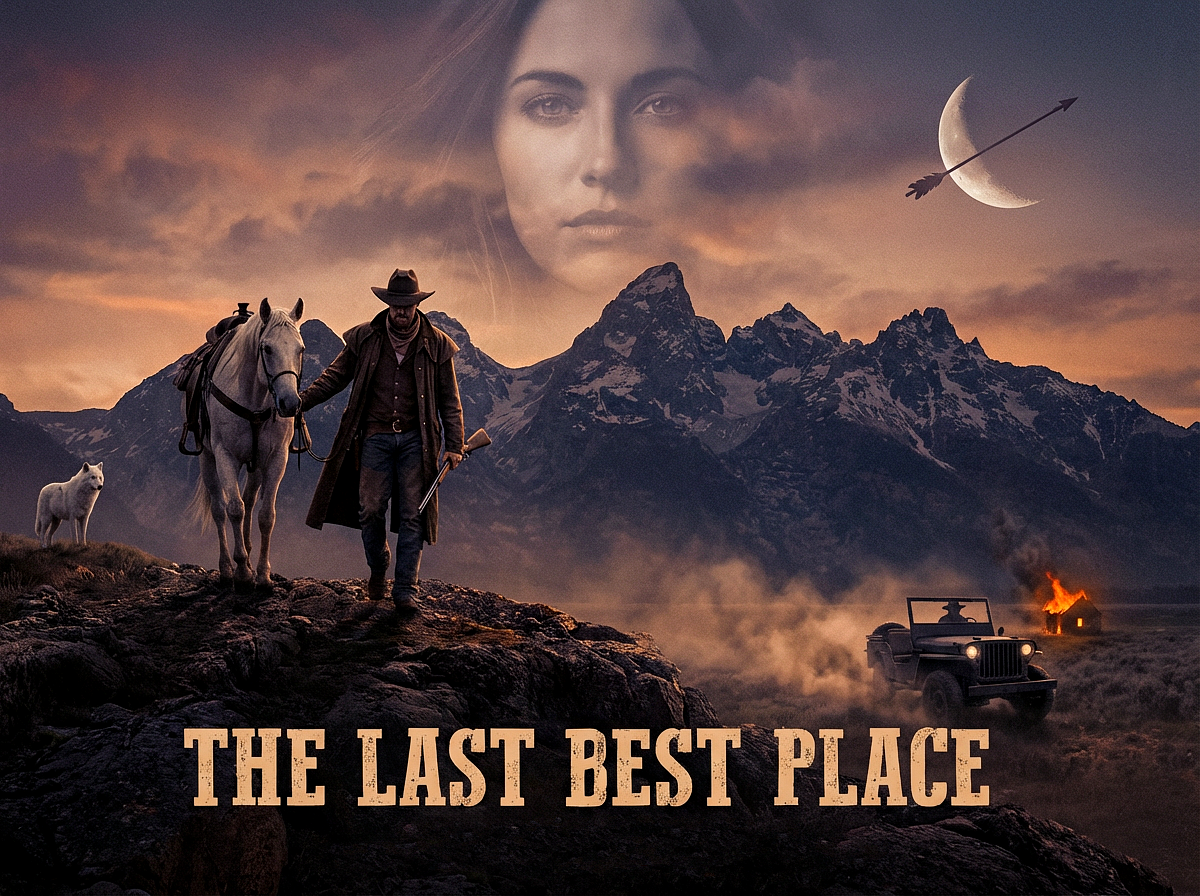
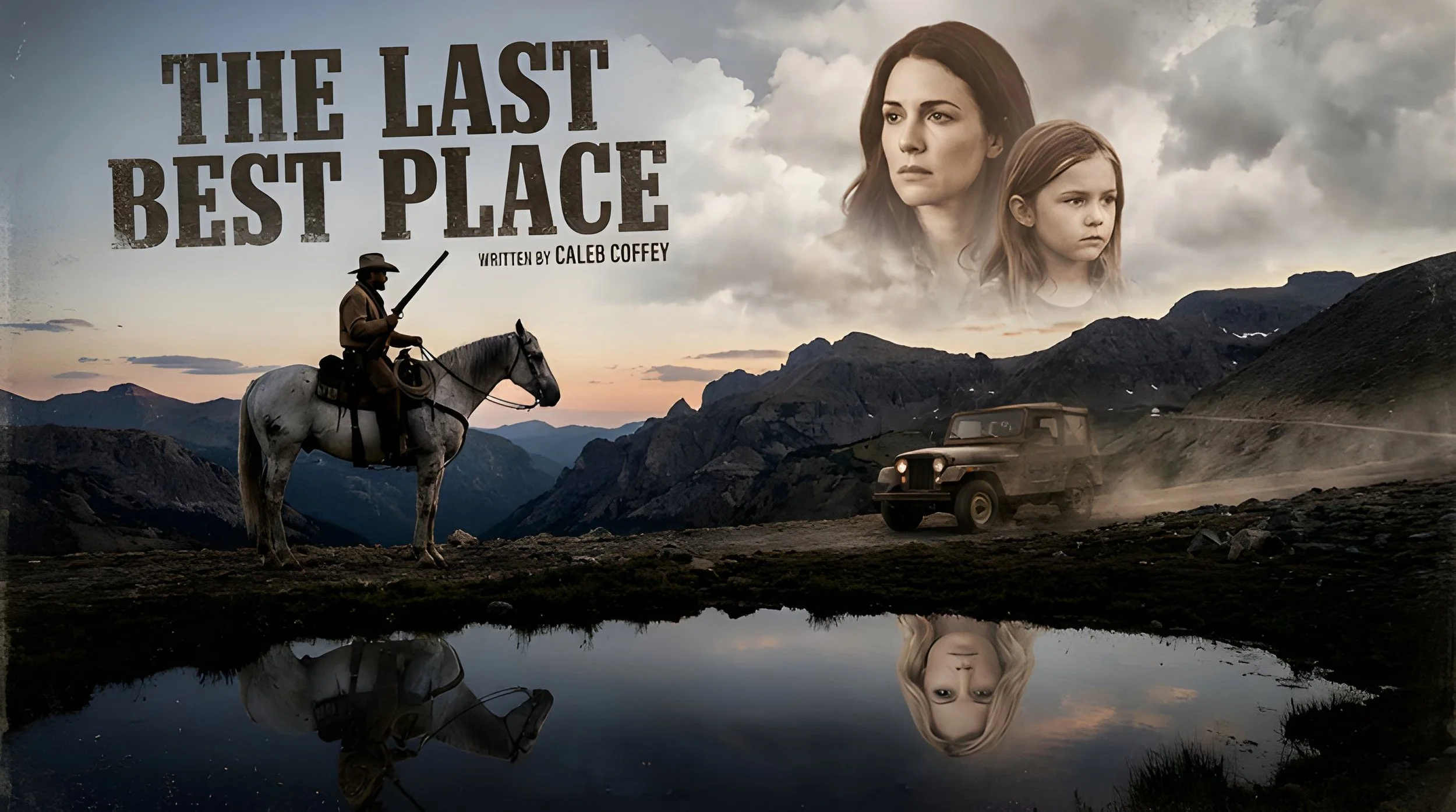
The Last Best Place is a grounded, character-driven survival drama set in a near-future America where water is scarce, institutions have collapsed, and the loudest danger is often silence. Hamlin, a capable but emotionally sealed-off loner, has learned how to survive—until a radio call pulls him back into human connection. When he shelters Langley and her six-year-old daughter Alexis, the story becomes less about the end of the world and more about whether broken people can still choose kindness, protection, and hope. Intimate, tense, and deeply humane, the film blends quiet suspense with emotional realism, using the wide-open American West as both sanctuary and threat.
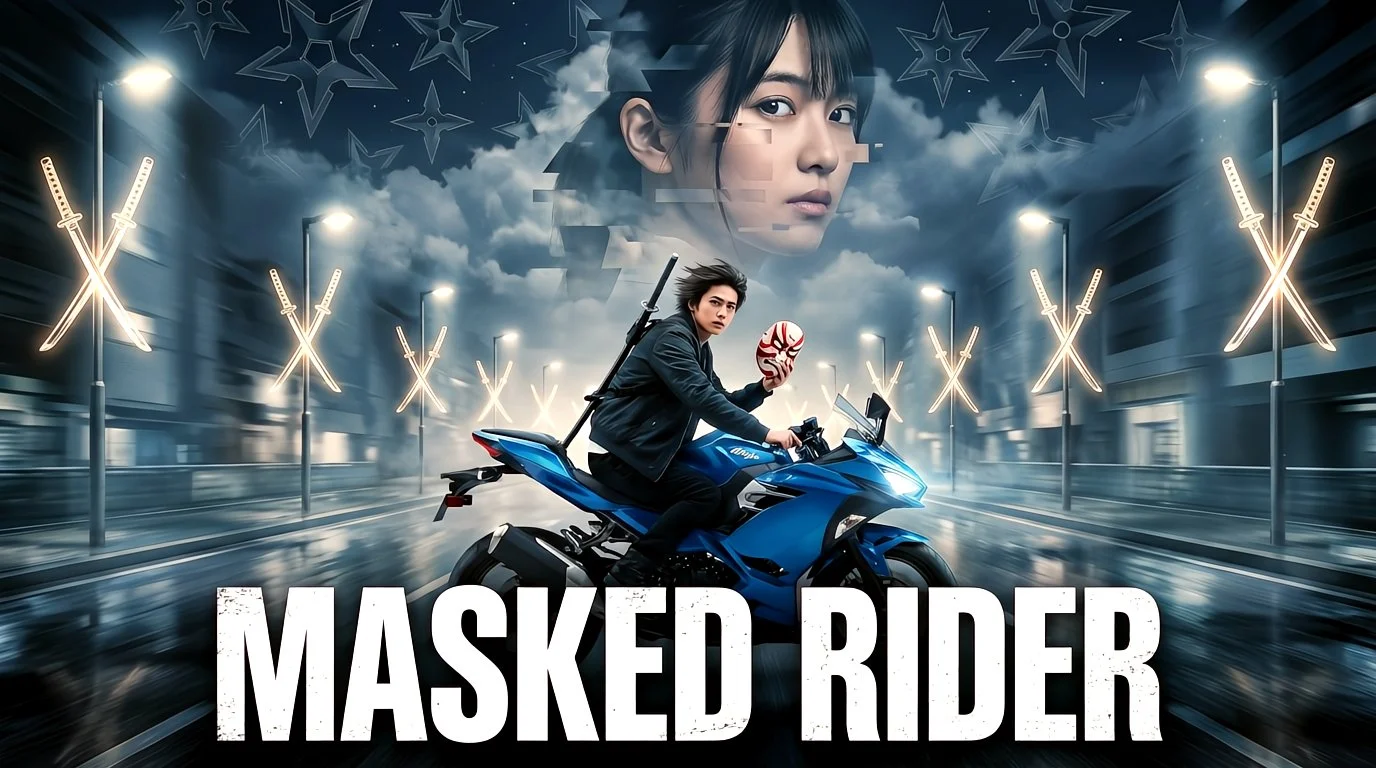
Masked Rider follows Yuko, a shy mini-mart worker whose quiet life is shattered after being bullied by a biker gang. When he protects his girlfriend from the gang’s drunken advances, Yuko lashes out with a katana he bought from a pawn shop — igniting a violent chain reaction that pulls him into an underground war.
By night, Yuko becomes the Masked Rider — katana in hand, tearing through the city in high-octane motorcycle battles fueled by honor, rage, and identity.
Tonally, Masked Rider feels like a cross between Drive and Scott Pilgrim vs. the World — neon-soaked, grounded, kinetic, and emotional. The world blends everyday Tokyo life (karaoke rooms, instant noodles, cramped apartments) with sudden, explosive samurai action.
This project is designed for international audiences, with strong appeal to Asian markets, while remaining universal in its themes of transformation, masculinity, and consequence.
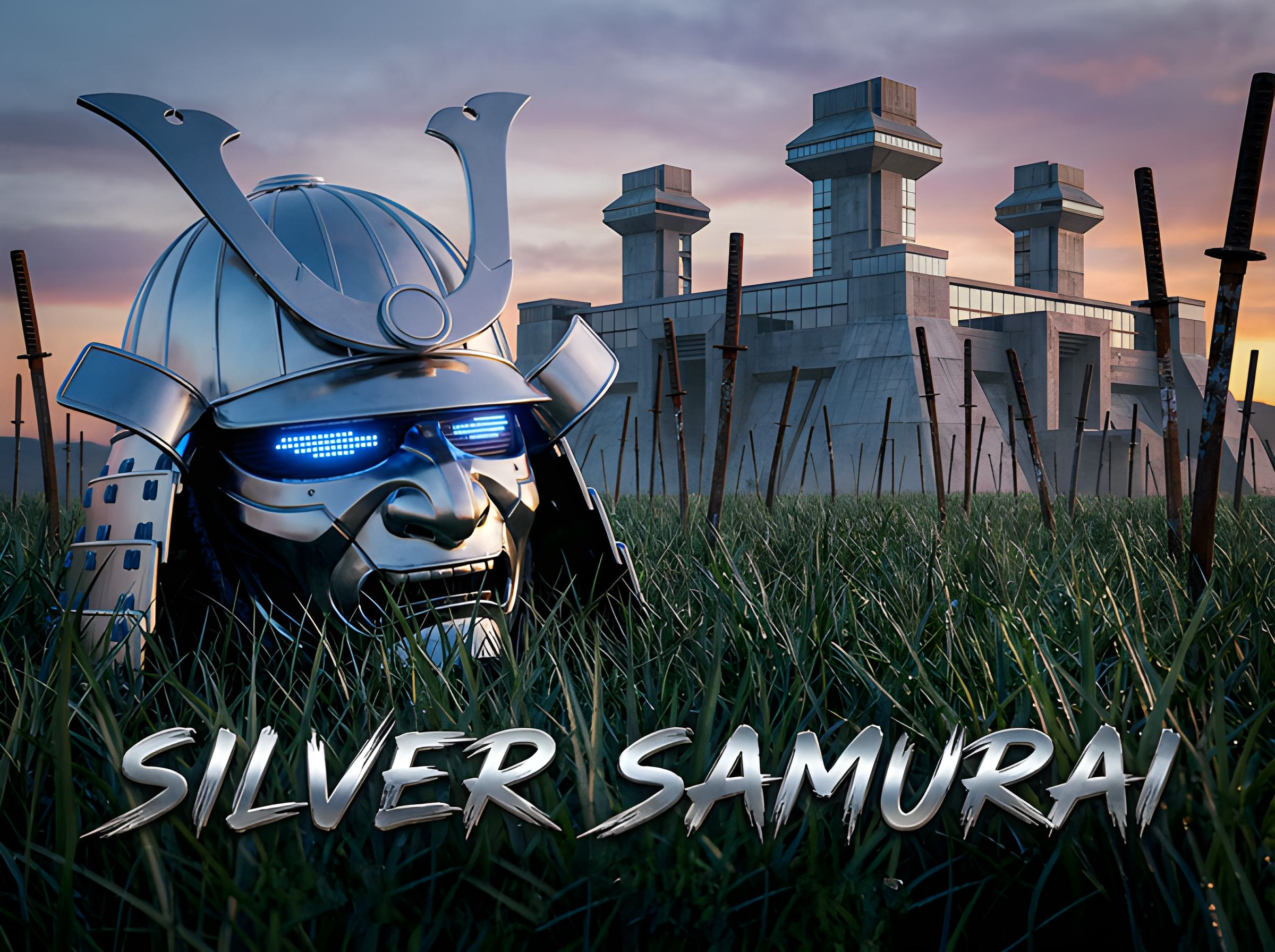
Set decades before Masked Rider, Silver Samurai follows Kazua Takahashi, a calm, disciplined Japanese soldier recruited into a secret military program and bonded to an alien-powered silver armor designed for impossible missions; when the suit refuses to release him, Kazua becomes its prisoner — a ghost warrior fighting humanity’s darkest threats from the shadows, doomed to watch his son grow up from afar as unseen forces close in to reclaim what was never meant to belong to Earth.
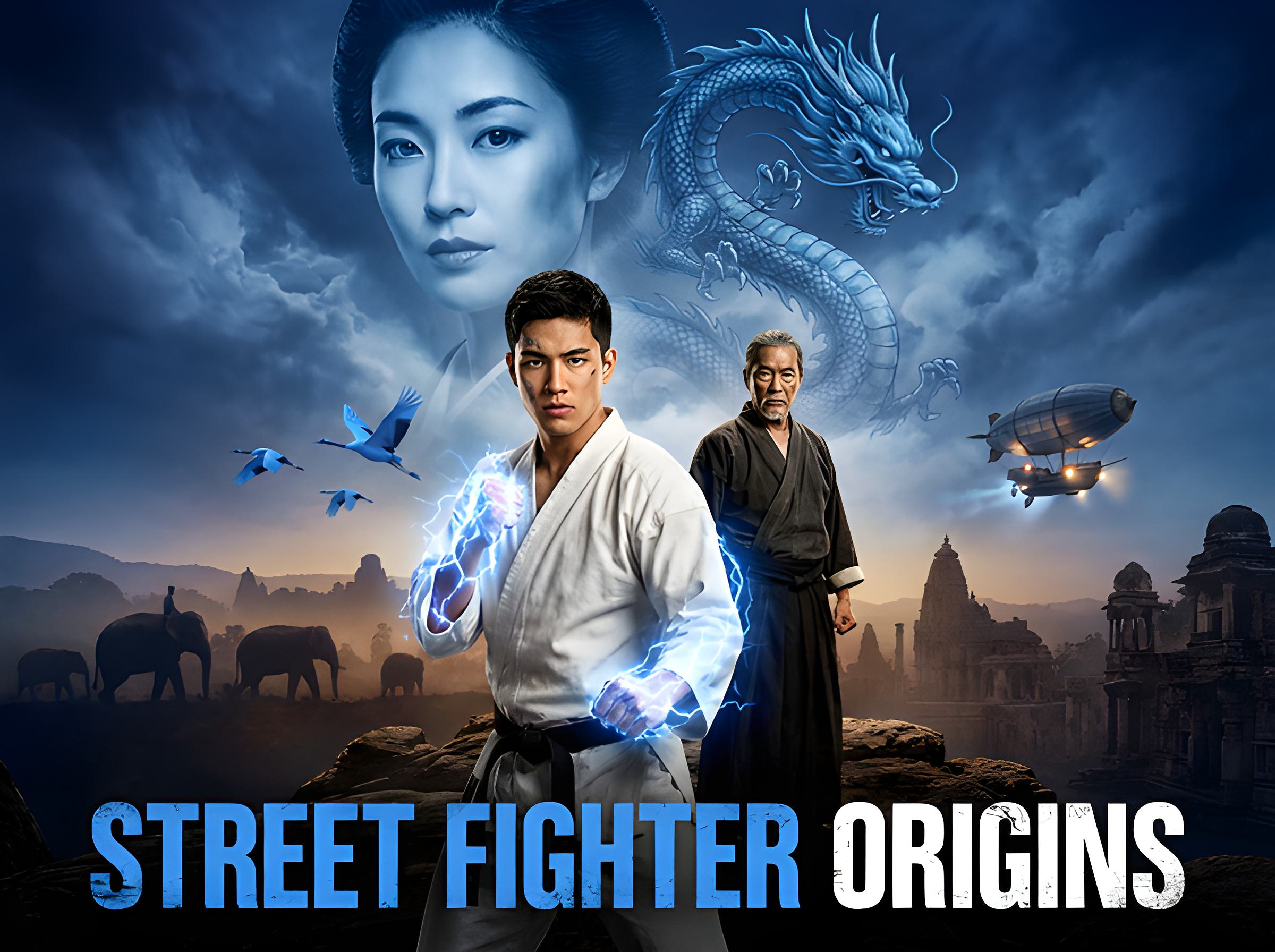
Street Fighter Origins reimagines Ryu’s legend from birth: cast into the sea as a baby while his mother is abducted by pirates, Ryu survives, trains under fallen masters across distant islands, and rises alongside Ken under Gouken’s guidance — until a brutal five-fight bargain with evil pirates offers a chance to reclaim his mother, awakening a blue dragon power so fierce it may destroy him before it saves her.
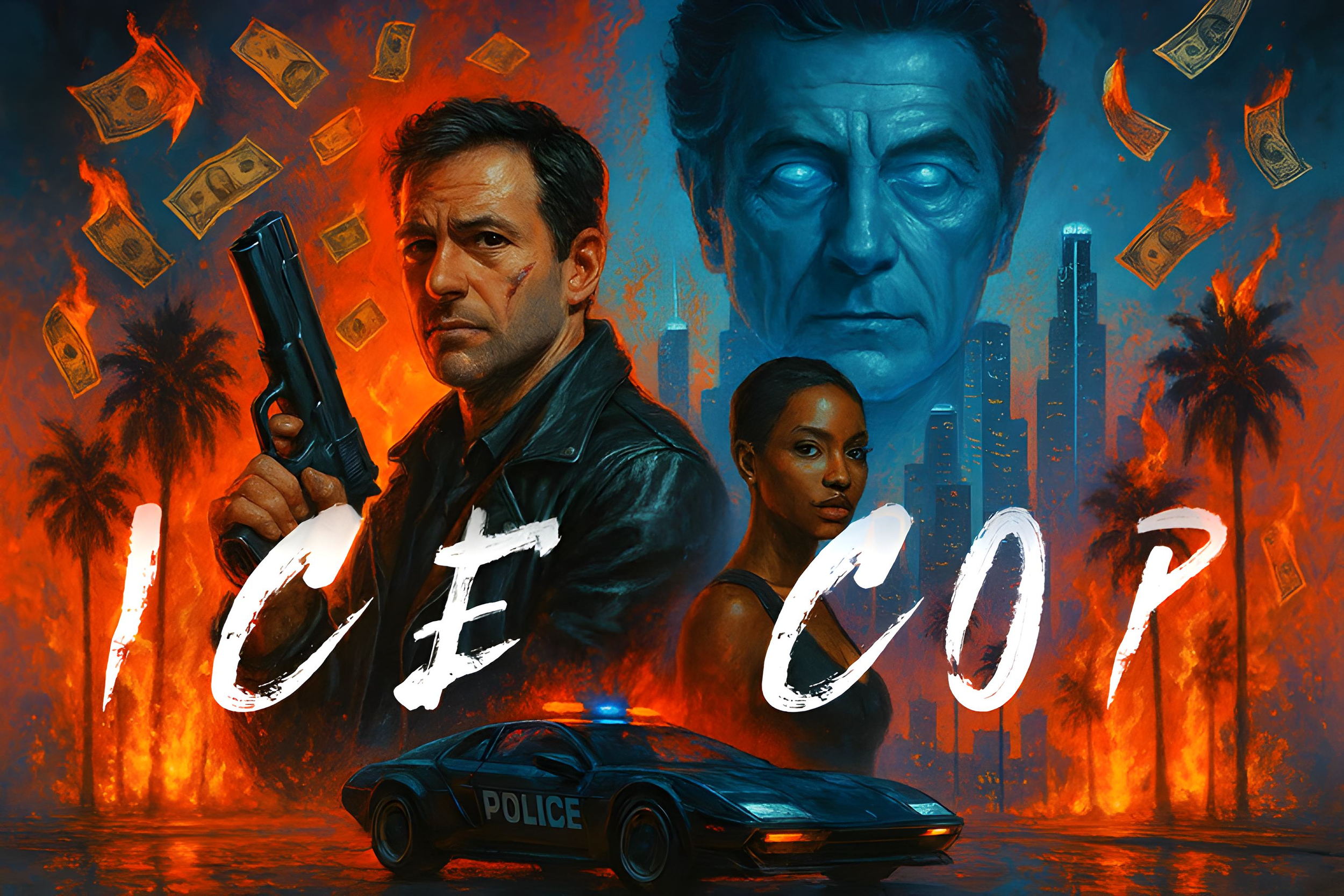
Set in a neon-drowned Los Angeles fifty years in the future, ICE COP follows a hard-edged detective racing to stop two rival gangs from igniting a city-wide war over ICE NINE — a lethal new drug that turns users’ eyes ice blue — only to uncover a truth colder than the streets: the criminal mastermind behind it all may be his own father. With Lethal Weapon–style dark humor and a Blade Runner atmosphere, the series burns hot, hits hard, and stays cool as ice.

When a washed-up Hollywood actor stops taking his studio-issued “performance pills,” he tumbles into a delirious spiral where his new action movie, his love life, and his own psychosis blur together — a darkly funny descent that skewers fame, filmmaking, and the delusion of staying relevant in Tinseltown.
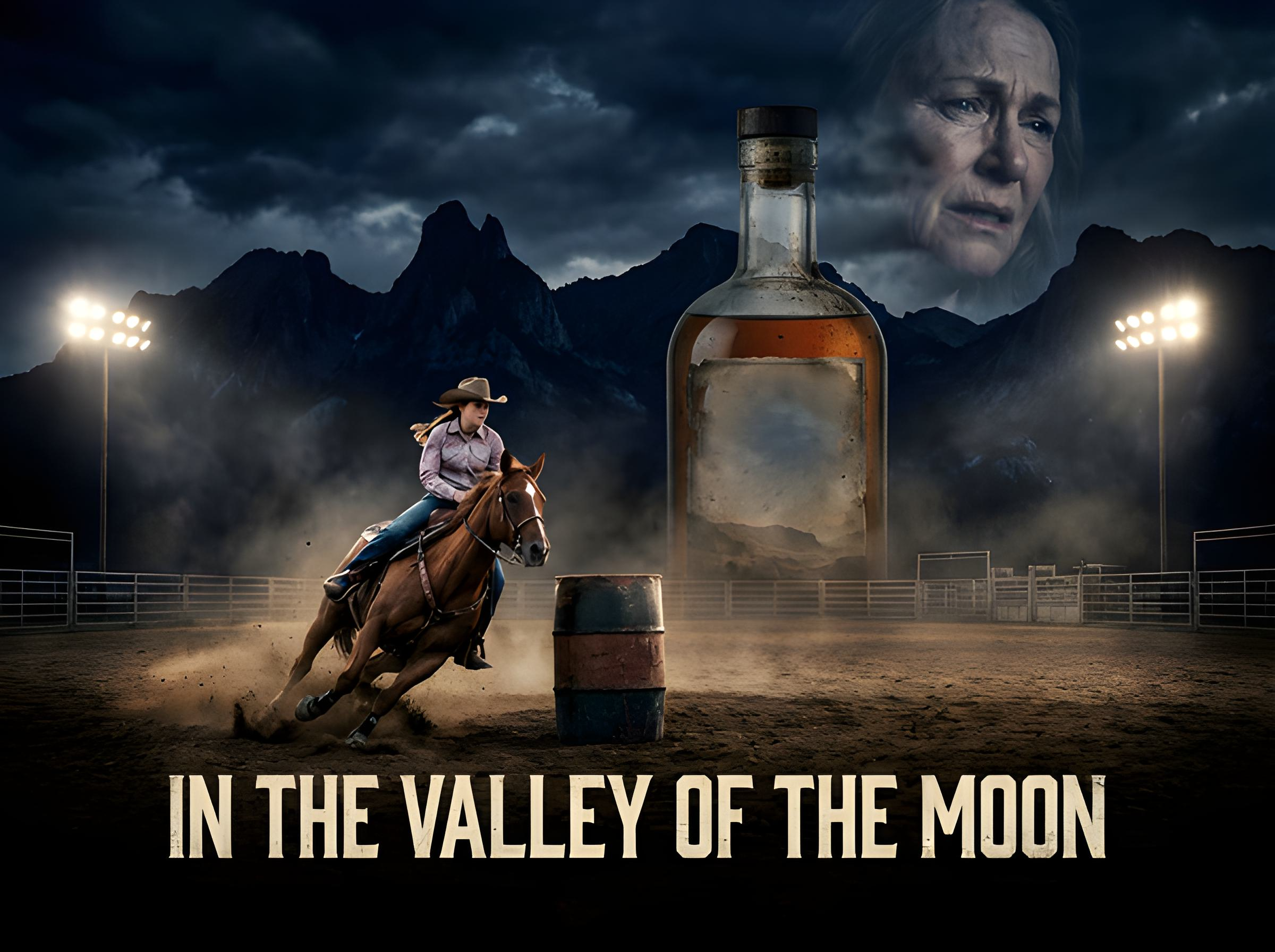
Set in 1980s Montana, In the Valley of the Moon follows Jenny Adams, a trailer-park girl raised by a mentally ill mother and guided by an uncle who teaches her horses and the dream of barrel racing glory; when her own demons take hold, Jenny abandons everything and spirals down the same path she swore to escape—until, years later, broken and numb, she must decide whether to sober up and return to the valley where her story began, or disappear for good.
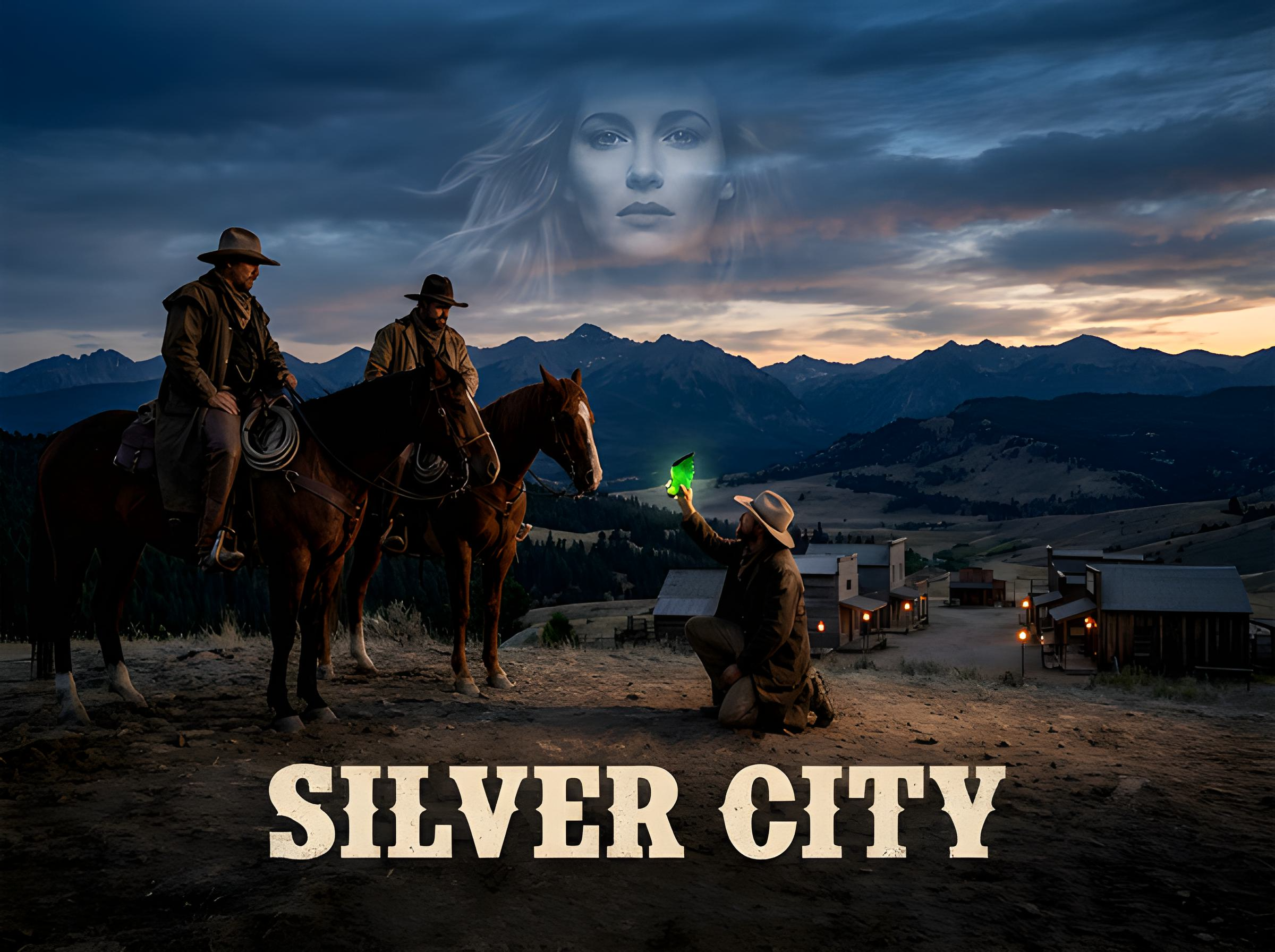
After a brutal cattle drive, four cowboys ride into Silver City chasing different hungers—love, luck, belonging, and salvation—but as the night darkens and the town’s sin-soaked allure tightens its grip, secrets surface, faith falters, and by dawn one of them will pay the ultimate price for wanting too much in a place that devours men whole.
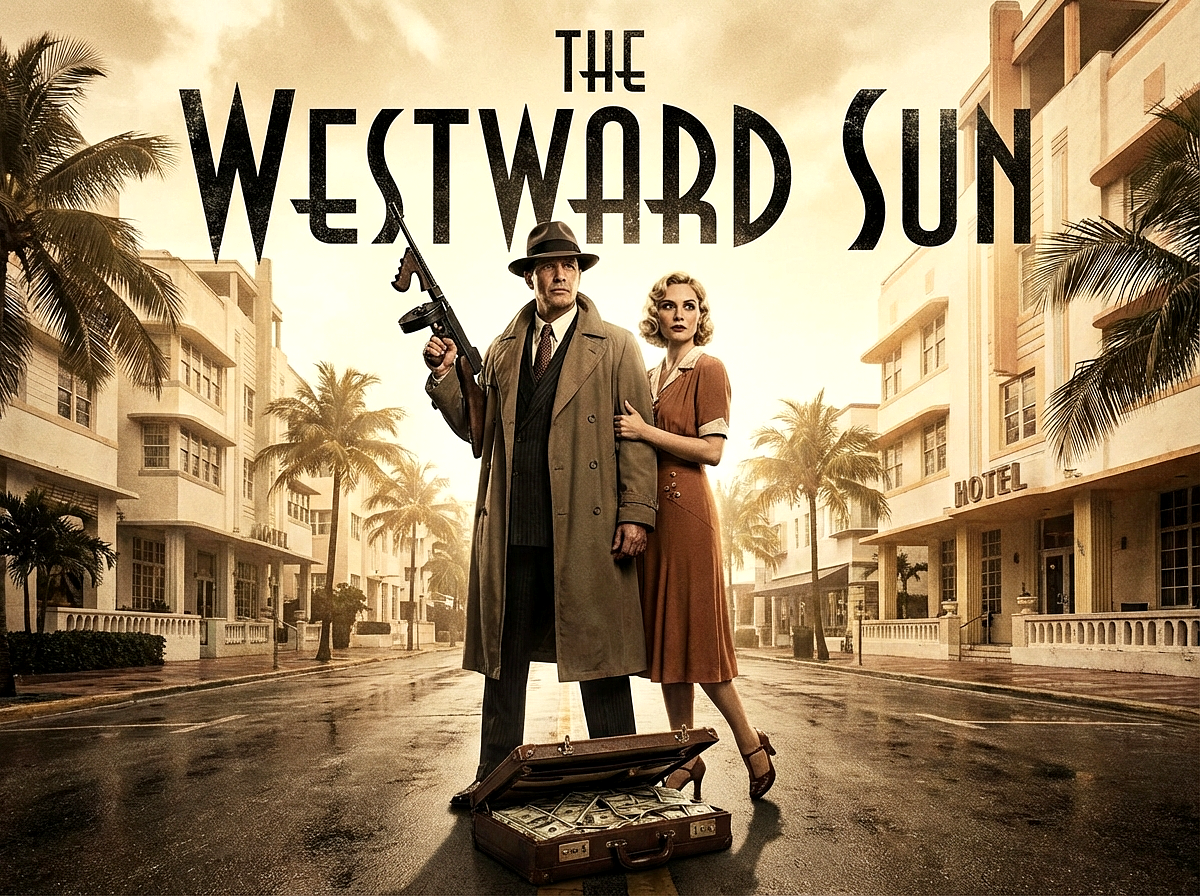
In The Westward Sun, a fractured marriage is suddenly reignited when Lilly and her estranged husband stumble into a fortune that isn’t theirs; forced to run across a sunburned landscape of bad choices and worse people, they’re pulled into a Coen Brothers–style spiral of sharp dialogue, dark irony, and escalating danger where love, greed, and survival collide—and every mile west makes it harder to tell who they’re running from, and who they’re becoming.